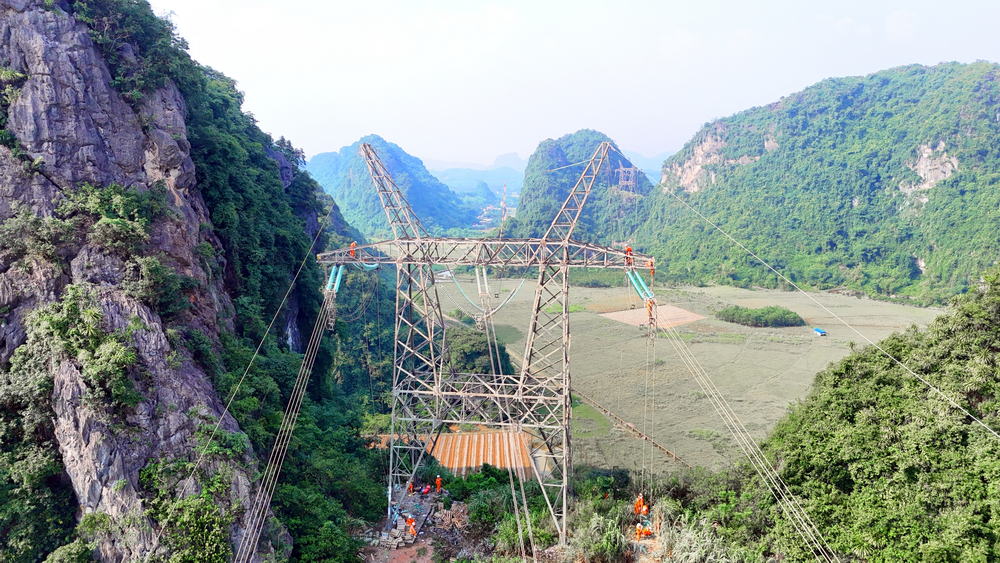
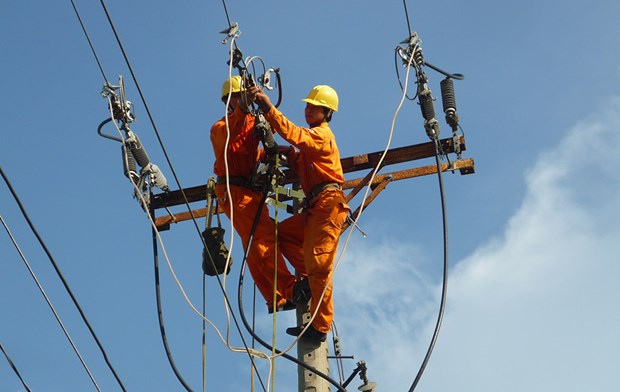
Vietnam’s power sector is expected to face significant challenges in 2026 as electricity demand continues to grow rapidly, while pressure to ensure energy security and control costs becomes increasingly intense. By the end of 2025, the country’s total installed power capacity is projected to reach approximately 87.6 GW, ranking second in ASEAN. However, the power...
The Chairman of Vietnam Electricity (EVN) stated that maintaining a high level of investment in recent years has been essential to ensuring national energy security and supporting economic growth. Over the past five years, EVN’s total investment has reached nearly VND 500 trillion, primarily focused on developing power generation sources and expanding the national grid....
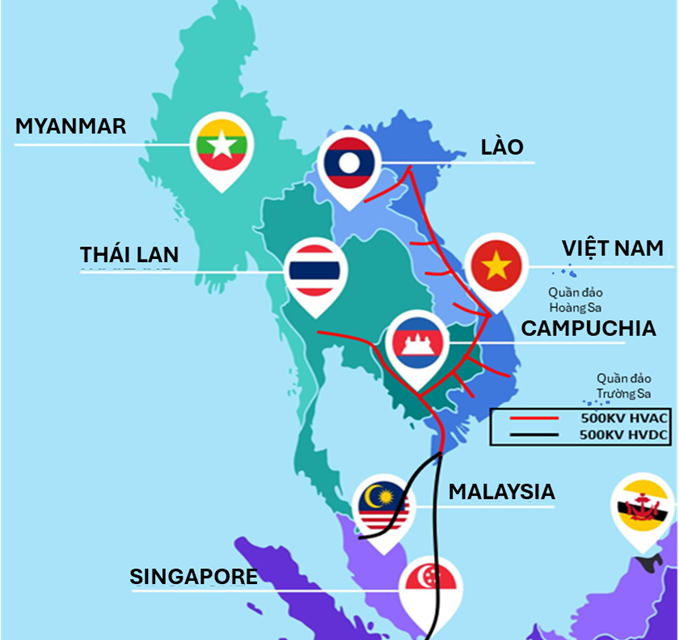
1.1 Current Status of Regional Power Grid Interconnection 1.1.1 Current Status of Power Grid Interconnection Between Vietnam and Neighboring Countries 1.1.1.1 Interconnection with China Vietnam imports approximately 550 MW of electricity from China through 220 kV and 110 kV transmission lines such as Malutang – Ha Giang, Guman – Lao Cai, and Hekou – Lao...
“Vietnam–Russia Energy Cooperation: A Lever Built on a Strong Oil and Gas Foundation” underscores that the energy partnership between Vietnam and the Russian Federation is not merely an economic activity, but a strategic pillar in bilateral relations. This is particularly significant in the context of Prime Minister Phạm Minh Chính’s official visit to Russia from...
The content analyzes the ambitious development strategy of General Secretary To Lam, aimed at ushering Vietnam into a “new era of national rise,” with a focus on rapid economic growth, large-scale infrastructure investment, and expanding international influence. He has set a target of achieving approximately 10% GDP growth in the coming years, viewing this as...
Vietnam Leads Southeast Asia with New Artificial Intelligence Law Vietnam’s artificial intelligence (AI) law took effect on March 1, making it the first country in Southeast Asia to adopt a comprehensive regulatory framework for the fast-growing technology. Approved by the National Assembly in December, the law focuses on managing the risks of generative AI and...
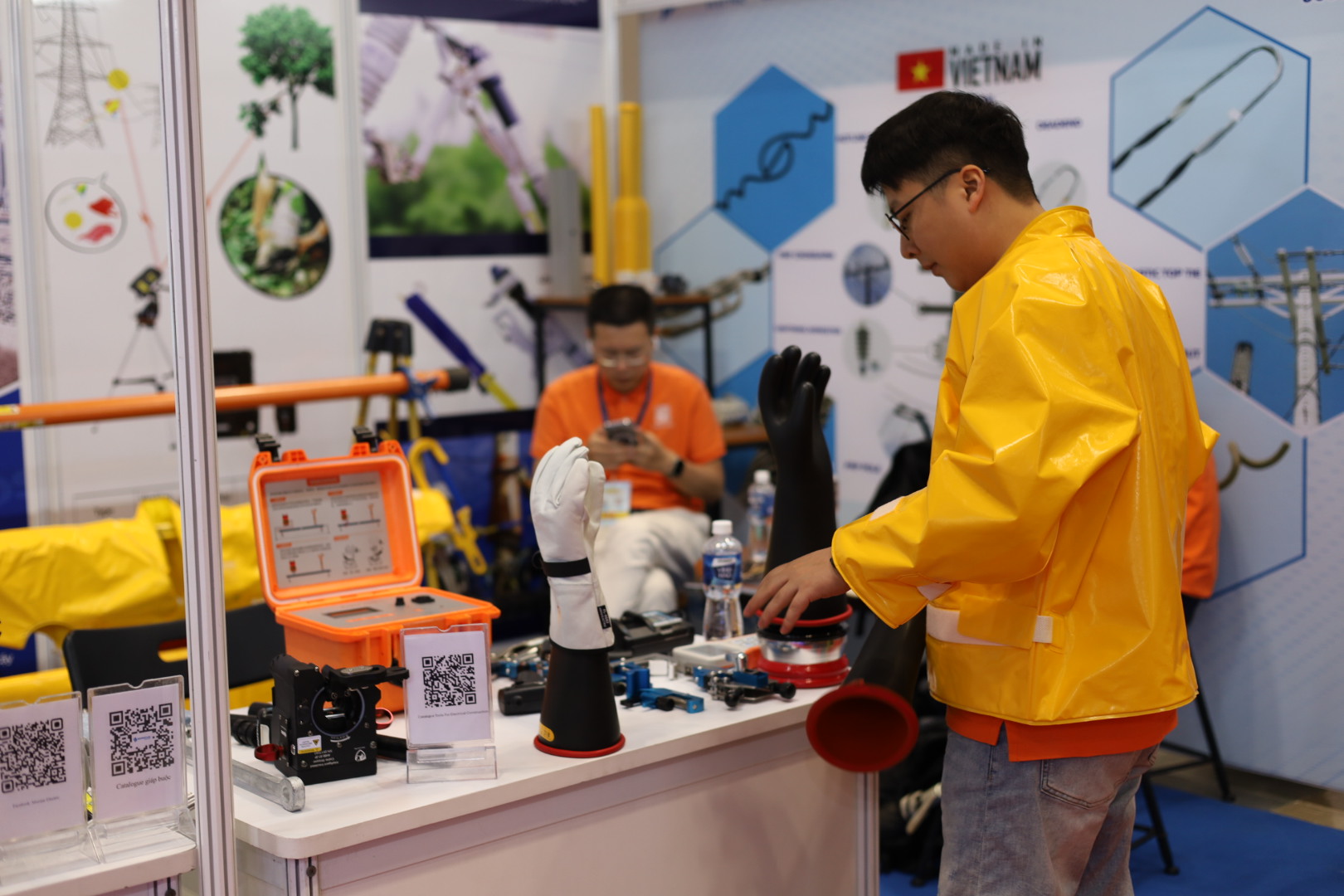
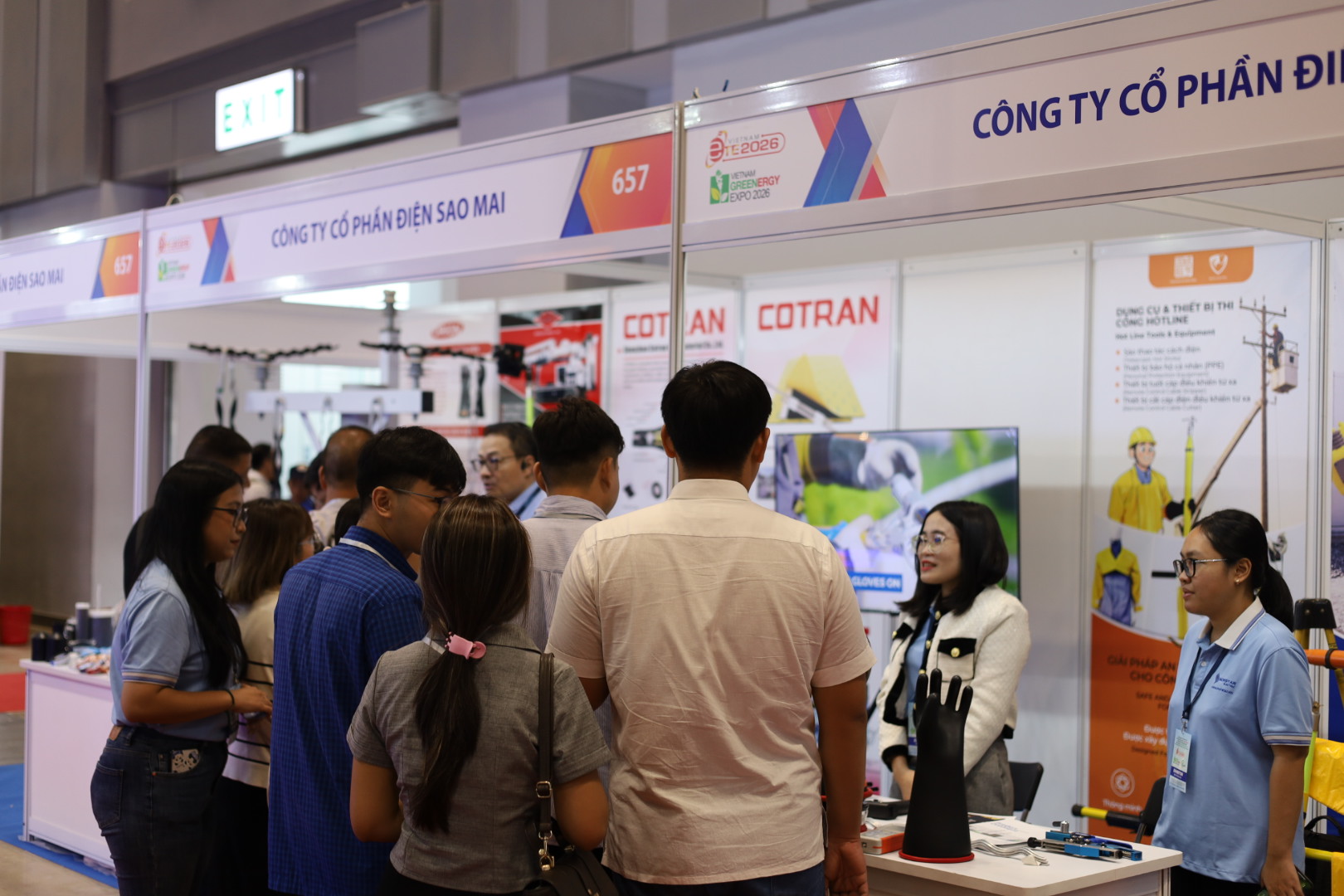
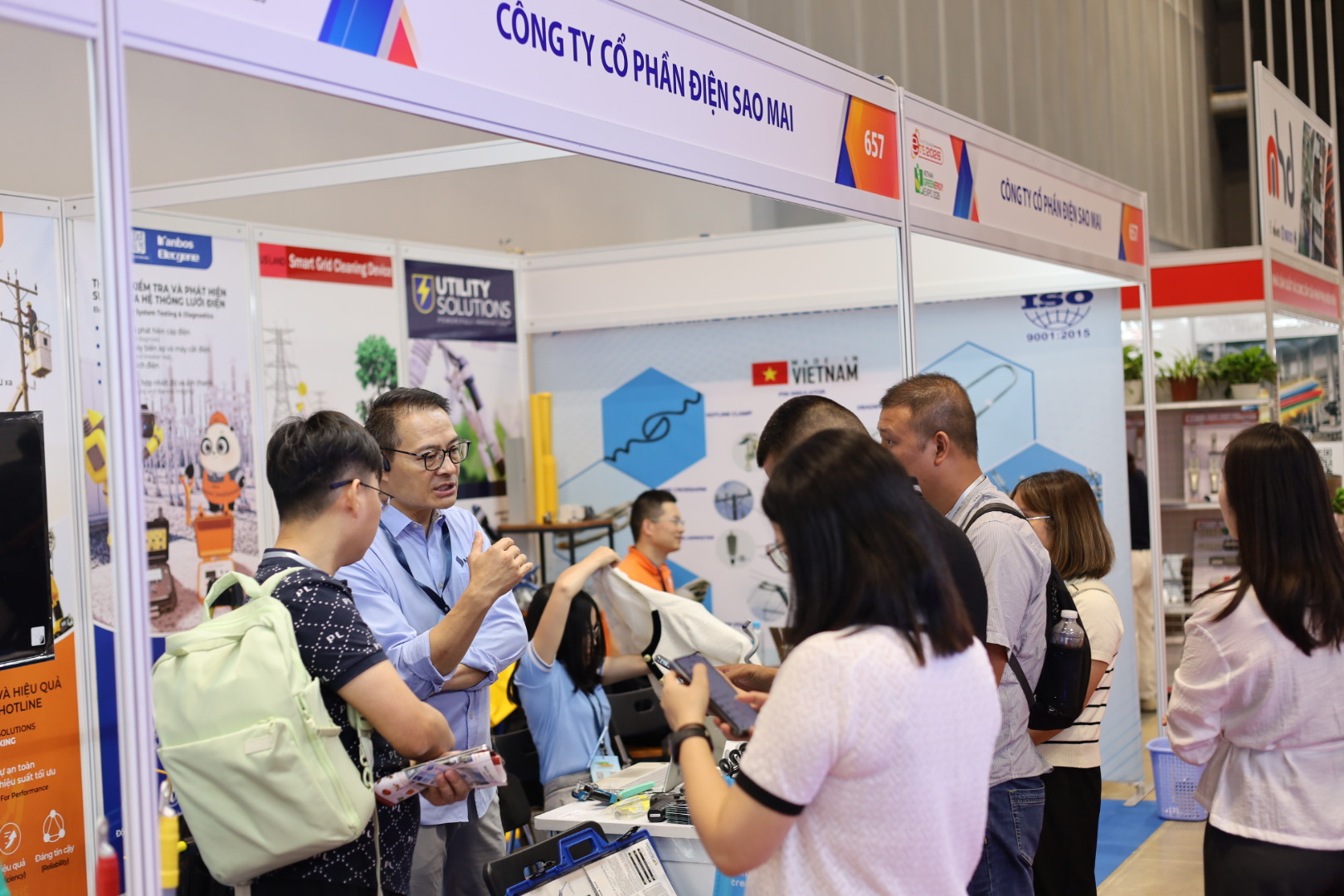
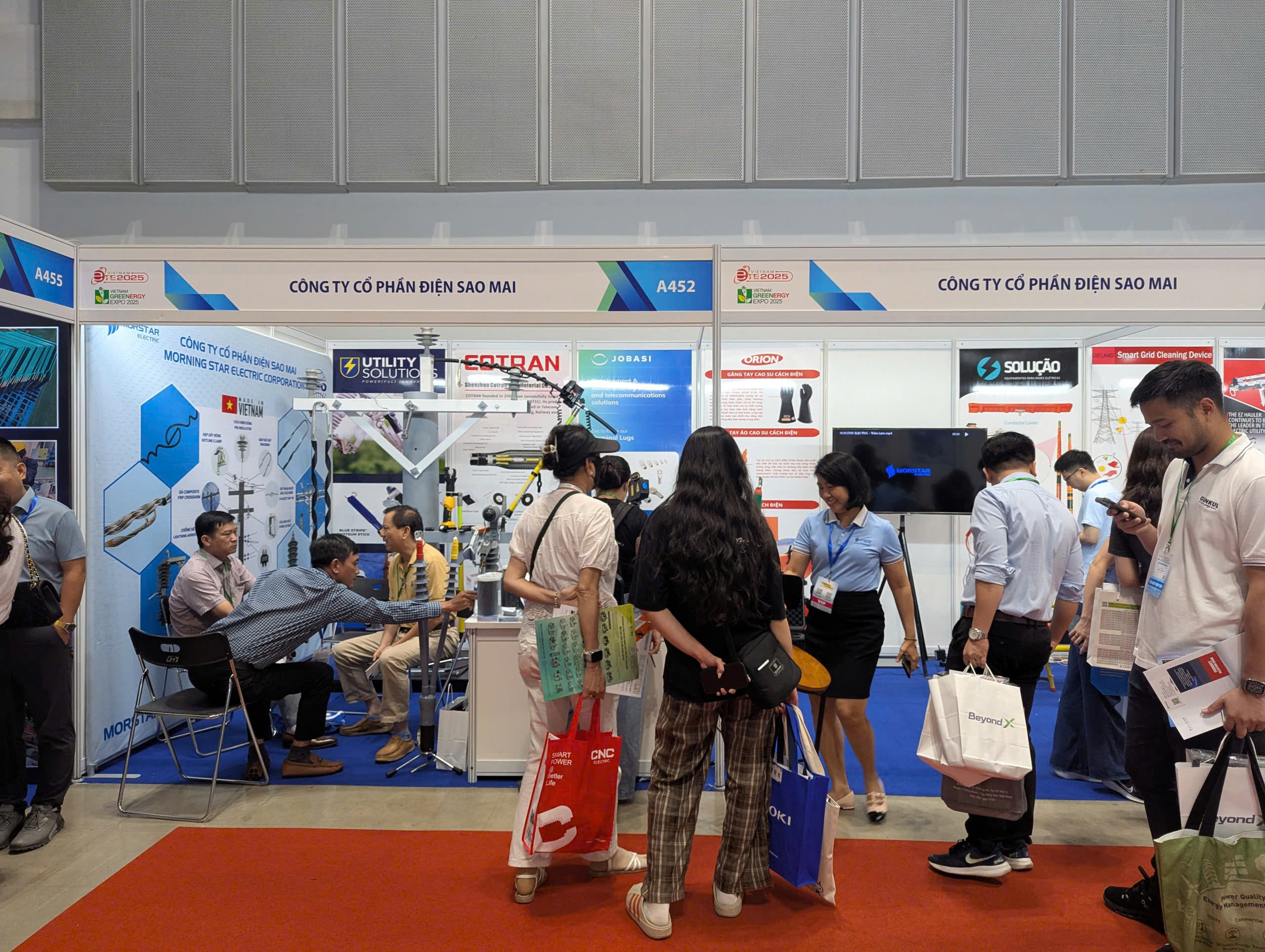
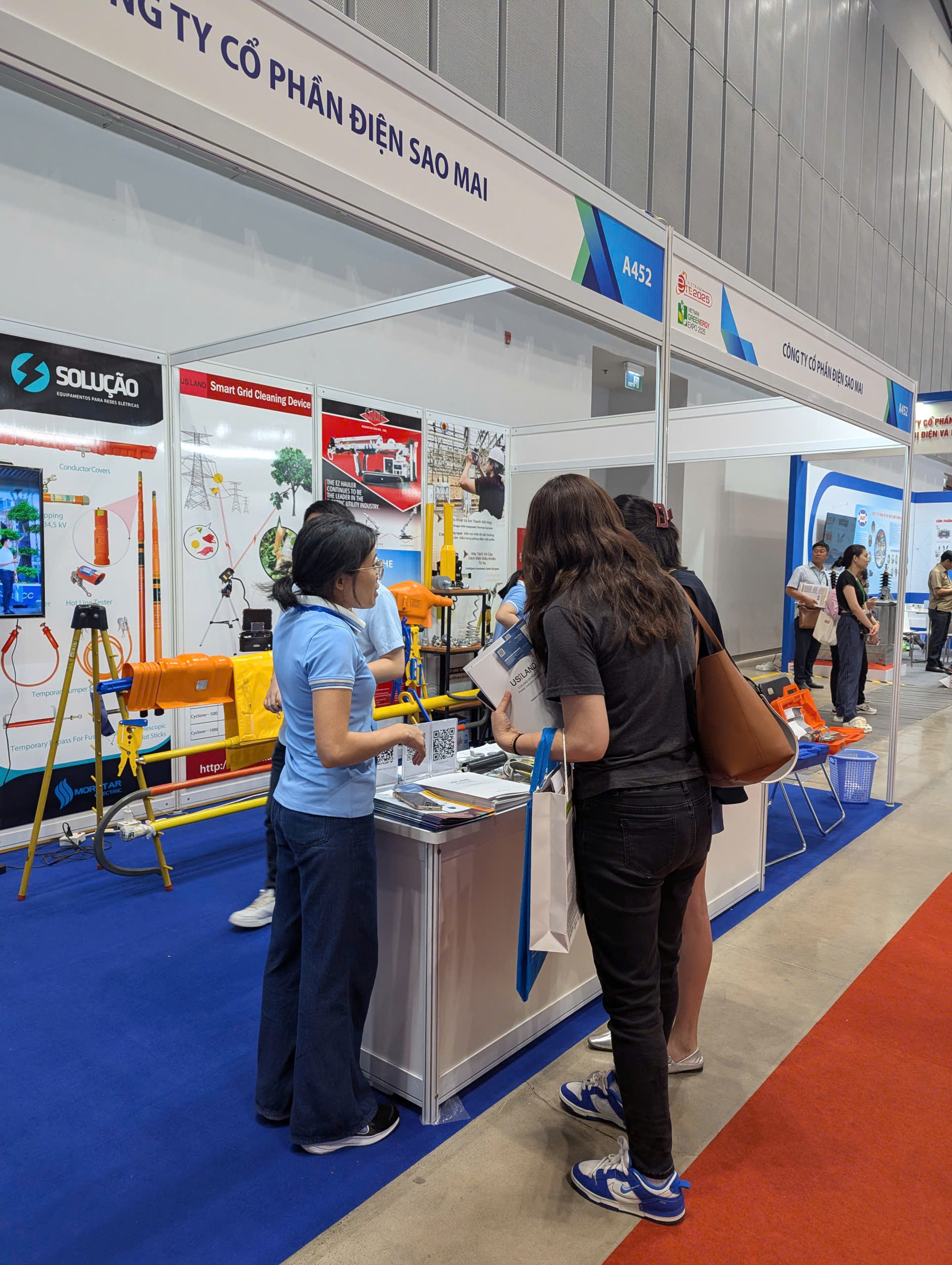
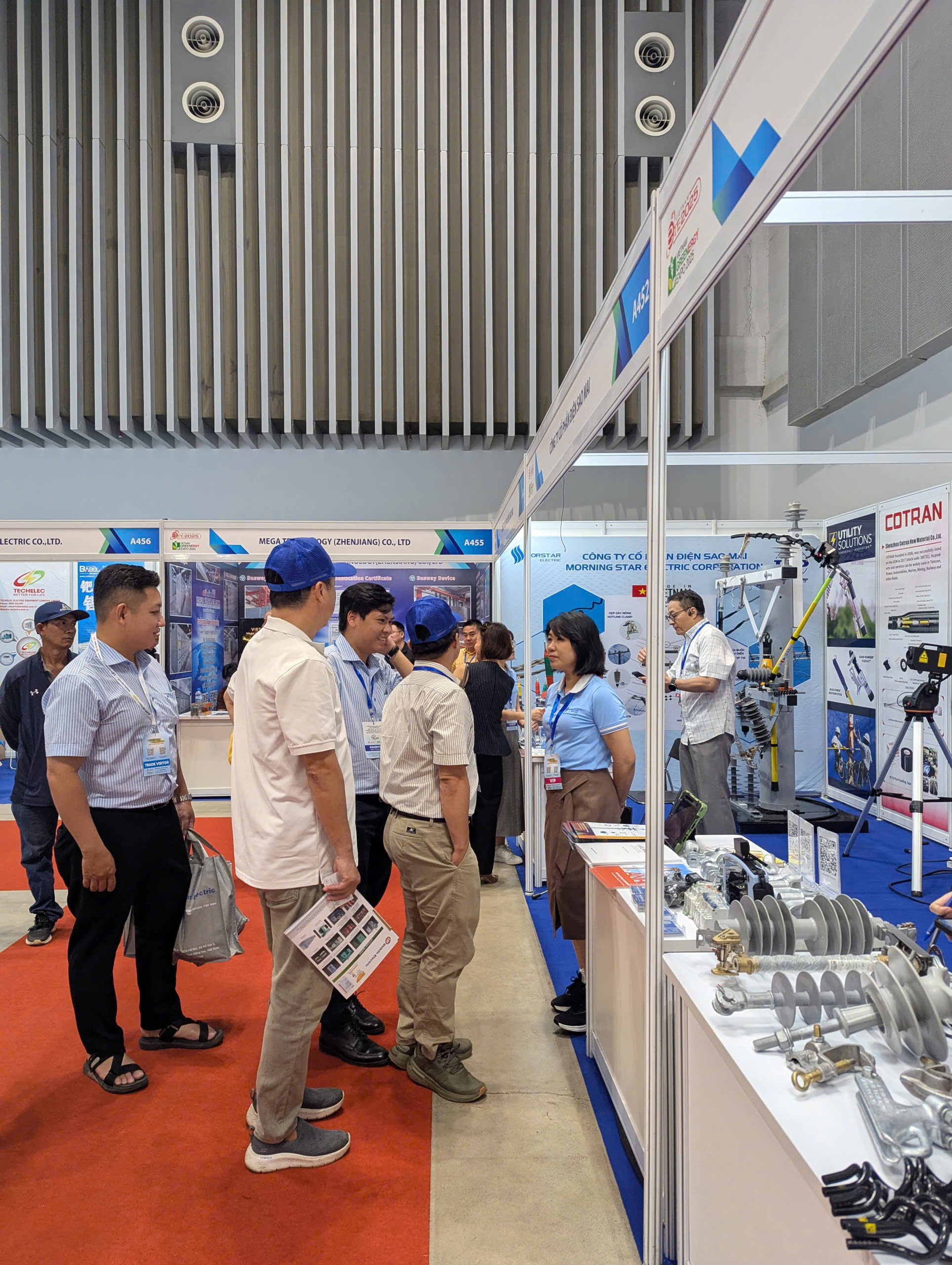
Nhân dịp năm mới, năm Bính Ngọ 2026, Ban Lãnh đạo cùng toàn thể công nhân viên Công ty Cổ phần Điện Sao Mai xin kính chúc Quý Khách hàng, Quý Đối tác một năm mới: An khang thịnh vượng – Vạn sự như ý – Mã đáo thành công – Vạn dặm bình an....
Several leading Chinese energy and technology companies have recently sought to expand cooperation with Vietnam Electricity (EVN), reflecting growing interest in Vietnam’s fast-developing power sector. The discussions took place from late May to mid-June 2025, as Vietnam accelerates implementation of its revised National Power Development Plan (PDP VIII), which targets the addition of nearly 100,000...
Vietnam has announced an ambitious $136 billion plan to dramatically expand its power generation capacity by 2030, as electricity demand surges alongside rapid industrial growth. The revised national power development plan aims to prevent power shortages like those seen in recent years, which have raised concerns among foreign manufacturers and investors. Under the plan, Vietnam...
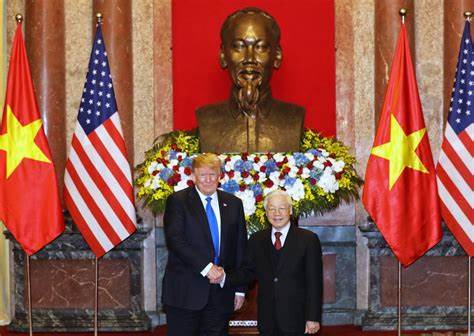
When Trade Deals Turn Personal: Inside the US-Vietnam Partnership explores how the evolving trade relationship between the United States and Vietnam has grown into a deeply interconnected and human story, not just a matter of policy and numbers. The article opens in Hanoi’s Old Quarter, where a Vietnamese economist explains over bowls of pho how...
Theo dữ liệu từ Phòng Thương mại và Công nghiệp Thái Lan tại Việt Nam, Việt Nam ghi nhận mức tăng trưởng GDP thuộc hàng cao nhất ASEAN trong năm 2025, với mức tăng 7% trong hai quý đầu năm và 8% trong quý ba, đưa tăng trưởng chín tháng lên 7%. Kết quả này vượt qua các quốc gia láng giềng như Philippines, Indonesia và Thái Lan, nơi tốc độ tăng trưởng trong cùng kỳ thấp hơn đáng kể. Việt Nam đặt mục tiêu duy trì đà tăng trưởng này và đạt mức tăng trưởng GDP hàng năm đầy tham vọng 10% trong giai đoạn 2026–2030, với mục tiêu dài hạn là trở thành quốc gia có thu nhập cao vào năm 2045. GDP bình quân đầu người, ước đạt khoảng 5.000 USD vào năm 2024, được dự báo sẽ tăng lên khoảng 8.500 USD vào năm 2030, tương đương mức tăng gần 60%. Bên cạnh đó, Chính phủ Việt Nam cũng cam kết đạt phát thải ròng bằng 0 vào năm 2050, qua đó kết hợp tăng trưởng kinh tế với các mục tiêu phát triển xanh. Lợi thế cạnh tranh và dòng vốn đầu tư trực tiếp nước ngoài (FDI) Bài viết nêu bật nhiều lợi thế cấu trúc đang củng cố sự vươn lên của kinh tế Việt Nam. Với dân số khoảng 106 triệu người, trong đó gần 70% tham gia lực lượng lao động, Việt Nam sở hữu nguồn nhân lực dồi dào. Mức lương trung bình thấp hơn khoảng 20% so với Thái Lan, trong khi chi phí điện năng thấp hơn khoảng 35% so với nhiều quốc gia trong khu vực, giúp Việt Nam trở thành điểm đến có tính cạnh tranh cao cho các ngành sản xuất và dịch vụ. Sự ổn định về chính trị và chính sách tiền tệ, cùng với định hướng tỷ giá hỗ trợ xuất khẩu, tiếp tục nâng cao sức hấp dẫn của nền kinh tế. Tổng vốn FDI vào Việt Nam đạt khoảng 38 tỷ USD trong năm 2024, vượt mức 32 tỷ USD của Thái Lan. Đáng chú ý, dòng vốn đầu tư ngày càng tập trung vào các ngành công nghệ cao và trí tuệ nhân tạo, phản ánh sự chuyển dịch sang các lĩnh vực có giá trị gia tăng cao hơn. Chiến lược của Chính phủ bao gồm cải cách hành chính, đẩy nhanh phát triển hạ tầng, nâng cao chất lượng nguồn nhân lực và từng bước chuyển dịch sang các ngành công nghiệp tiên tiến, phù hợp với lộ trình trở thành quốc gia thu nhập cao. Các động lực tăng trưởng: Tiêu dùng, đầu tư, chi tiêu công và thương mại Phòng Thương mại xác định bốn trụ cột chính thúc đẩy cơ cấu kinh tế Việt Nam năm 2025: Tiêu dùng (khoảng 60% GDP): Nhu cầu trong nước được hỗ trợ bởi dân số trẻ (độ tuổi trung bình 32) và tầng lớp trung lưu – thượng lưu đang gia tăng nhanh chóng, dự kiến đạt 56 triệu người vào năm 2030. Lực lượng tiêu dùng này thúc đẩy nhu cầu trên nhiều lĩnh vực, đặc biệt là thực phẩm và hàng tiêu dùng thiết yếu. Đầu tư (khoảng 25% GDP): Cả đăng ký và giải ngân FDI đều tăng mạnh. Đầu tư vào lĩnh vực chế biến – chế tạo tăng 45%, trong khi đầu tư vào khoa học và công nghệ tăng hơn 100% so với cùng kỳ. Tỷ lệ lấp đầy bất động sản khu công nghiệp đã tăng từ 53% lên 79% trong vòng bốn năm. Chi tiêu chính phủ (khoảng 10% GDP): Chi tiêu công gia tăng, đặc biệt trong lĩnh vực hạ tầng và phát triển nguồn nhân lực. Việt Nam cần khoảng 245 tỷ USD đầu tư hạ tầng đến năm 2030, bao gồm mục tiêu đào tạo 50.000 kỹ sư bán dẫn. Chính phủ cũng khuyến khích khu vực tư nhân đóng vai trò chủ đạo trong tài trợ hạ tầng và tham gia sâu hơn vào chuỗi cung ứng toàn cầu. Thương mại (khoảng 5% GDP): Kim ngạch xuất khẩu đạt khoảng 430 tỷ USD (tăng 16%), trong khi nhập khẩu đạt 410 tỷ USD (tăng 18%). Việt Nam hiện có 17 hiệp định thương mại tự do với hơn 60 quốc gia, cùng mức thuế suất hiệu dụng tương đối thuận lợi, góp phần nâng cao năng lực cạnh tranh thương mại. Cải cách chính sách và mục tiêu phát triển hạ tầng Việt Nam đang triển khai các cải cách ở cả cấp trung ương và địa phương nhằm tinh gọn bộ máy nhà nước, cắt giảm số lượng bộ ngành, giảm biên chế và thúc đẩy phân quyền. Một cải cách đáng chú ý là việc giảm số tỉnh, thành từ 63 xuống còn 34 nhằm nâng cao hiệu quả quản lý địa phương. Chi tiêu cho hạ tầng dự kiến chiếm khoảng 7% GDP vào năm 2025 (tương đương 36 tỷ USD), phục vụ các dự án trọng điểm như đường sắt đô thị tại TP. Hồ Chí Minh, sân bay Long Thành, tuyến đường sắt cao tốc Bắc – Nam, mở rộng hệ thống cao tốc, lưới điện và thậm chí cả các nhà máy điện hạt nhân vào năm 2030. Kết luận Sự kết hợp chiến lược giữa lợi thế dân số, chi phí cạnh tranh, dòng vốn FDI mạnh mẽ, quản trị theo hướng cải cách và đầu tư hạ tầng quy mô lớn đang giúp Việt Nam định vị mình là một trung tâm kinh tế năng động của Đông Nam Á. Tuy nhiên, cạnh tranh khu vực gay gắt và những bất ổn bên ngoài như thay đổi chính sách thuế quan vẫn là những thách thức đáng kể trong thời gian tới. Nguồn: Vietnam positions itself as a key Southeast Asian economic hub

The article titled “The Making of Asia’s Next Tiger” discusses Vietnam’s rapid economic growth and its potential to become a leading economic powerhouse in Southeast Asia. It highlights several key factors contributing to this transformation, including strategic planning, global integration, and a booming tourism sector. Vietnam’s economy has shown remarkable resilience, particularly in the wake...
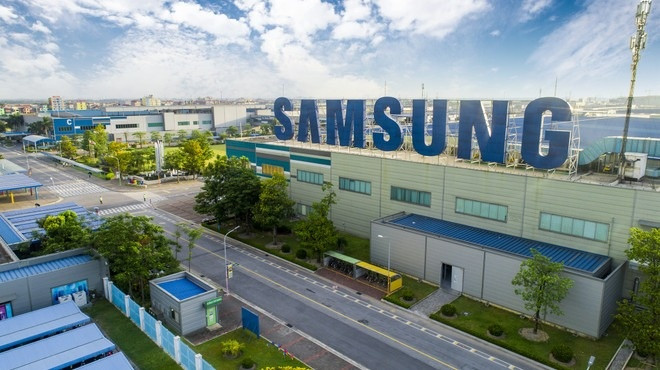
The article discusses how Vietnam has emerged as a major production hub for smartphones, particularly highlighting Samsung Electronics’ strategic shift in its manufacturing operations. While many may associate smartphone production primarily with China, the article emphasizes that Vietnam is becoming increasingly significant in this sector. Samsung has made substantial investments in Vietnam, establishing factories that...
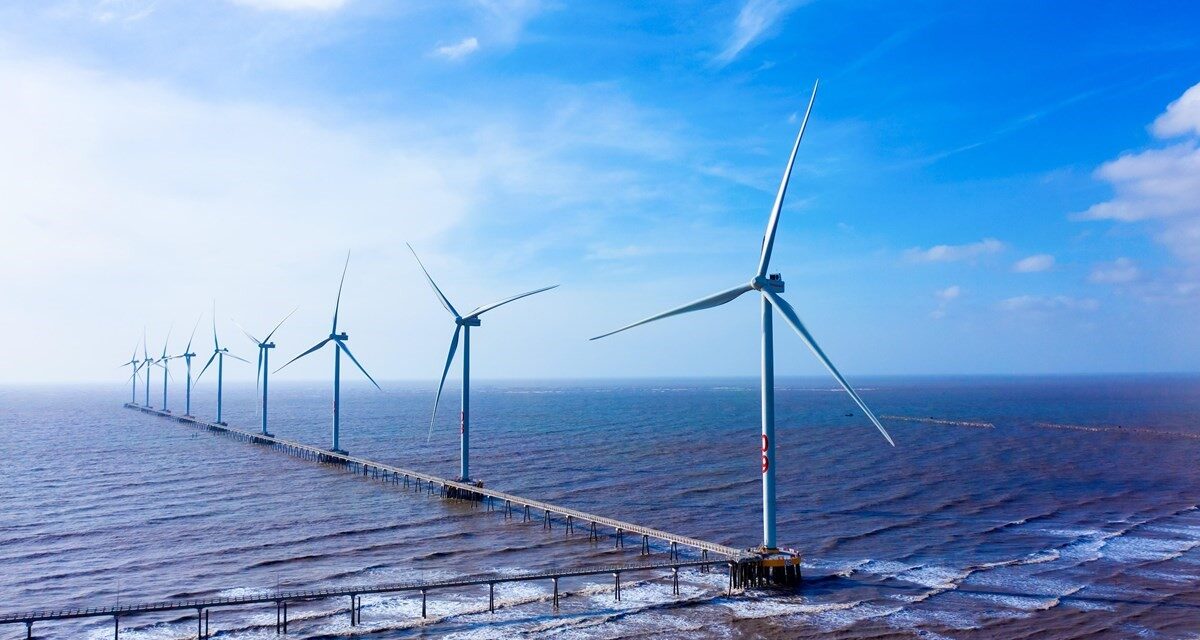
There is a significant interest by a major US energy company in investing billions of dollars in wind power projects in Vietnam. The initiative is part of a broader strategy to expand renewable energy sources in the country, which is increasingly recognized for its wind power potential due to its favorable geographical conditions. The US...
The Jakarta Post article discusses the accelerated plans of a major U.S. toymaker to relocate its manufacturing operations from China to Southeast Asia, specifically Indonesia and Vietnam. This shift is largely driven by the ongoing U.S.-China trade tensions, which have resulted in significant tariffs on Chinese goods, prompting companies to seek more cost-effective production alternatives....
The article from The Diplomat discusses how Vietnam has strategically positioned itself amid the ongoing trade tensions between the United States and China. As the trade war escalated, Vietnam emerged as a significant beneficiary, attracting manufacturers looking to avoid tariffs imposed on Chinese goods. This shift has been particularly pronounced in sectors like electronics and...
The challenges and opportunities that Vietnam, especially Ho Chi Minh City, is facing in attracting foreign direct investment (FDI). According to expert Kailash Raghuwanshi, Vietnam has great potential thanks to its increasingly improving business environment and technological development capabilities. However, there are still many bottlenecks that need to be overcome, including logistics issues, support policies...
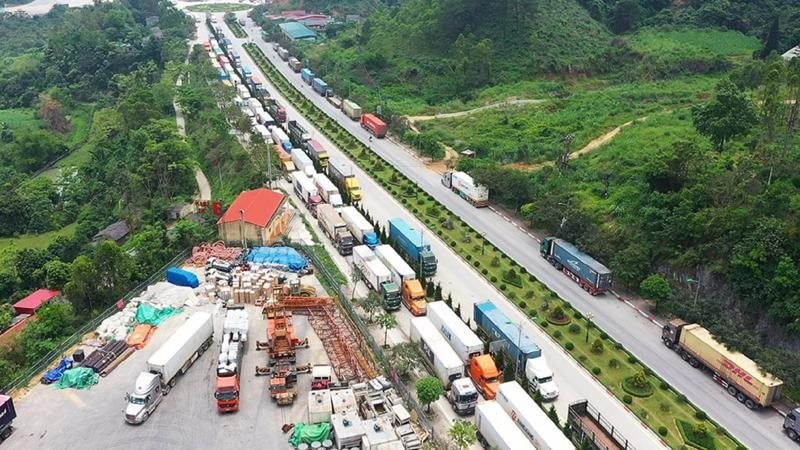
The transport of goods from Vietnam to China by rail, with a time of only 14 hours from Yen Vien station (Vietnam) to Nanning South station (China). This is a big step forward, shortening the time by more than 80% compared to traditional sea transport methods, helping to realize the dream of “departing at night...
In the first two months of 2025, Vietnam’s economy demonstrated robust growth, achieving an impressive export surplus of $1.47 billion. The total import-export turnover reached $127 billion, reflecting a 12% increase compared to the same period in the previous year. This growth is attributed to a significant rise in export activities, with total exports surpassing...
Vietnam’s economy is projected to grow at an impressive rate of 6.5% in 2025, reflecting a strong recovery and resilience in the face of global economic challenges. This growth is primarily driven by increasing domestic demand and a rise in external orders, which are expected to bolster various sectors of the economy. Key Sectors for Growth Several industries are...
Singapore is building the world’s largest industrial park in Vietnam through 18 VSIP (Vietnam – Singapore Industrial Park) projects. These industrial parks have attracted more than 18 billion USD in investment capital, created about 900 projects and provided jobs for more than 300,000 workers. VSIP zones not only focus on industrial development but also aim...
An article from New Zealand’s RNZ, titled “Why we want to be mates with Vietnam,” emphasizes Vietnam’s impressive economic growth and its burgeoning trade relationships, particularly with New Zealand. Authored by Alexia Russell, the piece notes that Vietnam is becoming one of the most sought-after travel destinations globally, with international tourist arrivals surging by 43% in...